ZSC31050FAG
Advanced differential sensor signal conditioners for precise sensor interfacing
Manufacturer: ['integrated-device-technology', 'idt', 'zmdi']
series introduction
# ZSC31050FAG Product Series Introduction
## 1. Overview
The ZSC31050FAG product series represents a cutting - edge solution in the field of sensor signal conditioning and calibration. Developed with state - of - the - art technology, this series is designed to meet the diverse and demanding requirements of various industries, including automotive, industrial automation, consumer electronics, and medical devices.
## 2. Key Features
### 2.1 High - Precision Signal Conditioning
- The ZSC31050FAG series is equipped with advanced analog - to - digital conversion (ADC) and digital - to - analog conversion (DAC) capabilities. It can accurately convert the weak and noisy signals from sensors into high - quality digital or analog signals. For example, in pressure sensor applications, it can precisely measure small pressure changes with a resolution that can reach up to micro - Pascal levels, ensuring accurate data acquisition.
- It has excellent linearization algorithms built - in. These algorithms can correct the non - linear characteristics of sensors, such as the non - linear output of strain - gauge sensors, to provide a highly linear output signal. This linear output is crucial for applications where accurate measurement and control are required, like in industrial process control systems.
### 2.2 Calibration Flexibility
- One of the standout features of this series is its comprehensive calibration functionality. It supports both factory calibration and field calibration. Factory calibration ensures that the product meets strict quality and performance standards before it reaches the end - user. Field calibration, on the other hand, allows users to fine - tune the device according to the specific operating conditions of their application. For instance, in a harsh industrial environment where temperature and humidity can vary significantly, field calibration can compensate for these environmental effects on sensor performance.
- The calibration process is relatively simple and can be carried out using a variety of methods, including digital communication interfaces. This makes it convenient for technicians to perform calibration tasks without the need for complex equipment or extensive training.
### 2.3 Low Power Consumption
- In today's energy - conscious world, the ZSC31050FAG series is designed with low power consumption in mind. It operates on a low - voltage power supply, typically in the range of 1.8V - 3.6V, which makes it suitable for battery - powered applications. For example, in portable medical devices or wireless sensor nodes, the low power consumption extends the battery life, reducing the frequency of battery replacements and improving the overall user experience.
- The device also has a power - saving mode that can be activated during periods of inactivity. In this mode, the power consumption is further reduced, while still maintaining the ability to quickly wake up and resume normal operation when needed.
### 2.4 Robustness and Reliability
- The ZSC31050FAG series is built to withstand harsh operating conditions. It has a high level of electromagnetic compatibility (EMC), which means it can operate reliably in environments with high levels of electromagnetic interference. This is particularly important in industrial settings where there are many electrical devices and machinery that can generate electromagnetic noise.
- The product is also designed with over - voltage and over - current protection features. These features safeguard the device from damage caused by abnormal electrical conditions, ensuring its long - term reliability and reducing the risk of system failures.
## 3. Technical Specifications
### 3.1 Input and Output
- **Input**: It can accept a wide range of sensor input signals, including resistive bridge sensors (such as strain - gauge sensors), capacitive sensors, and piezoelectric sensors. The input impedance is carefully designed to match the output impedance of different types of sensors, minimizing signal loss and ensuring accurate signal transfer.
- **Output**: The series offers multiple output options, including digital interfaces such as I²C
Images for reference
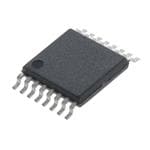
Image Preview