ZPLKL-1616
Circular pin connectors in size 16 with multiple ways
Manufacturer: ['amphenol', 'sine-systems']
series introduction
# Unveiling the ZPLKL - 1616 Product Series: A Technological Marvel
## Overview
The ZPLKL - 1616 product series represents a pinnacle of innovation and engineering excellence. Engineered to meet the diverse and demanding needs of modern industries, this series combines cutting - edge technology, robust construction, and user - friendly features. Whether you are in the manufacturing, automation, or research sectors, the ZPLKL - 1616 series offers solutions that are both reliable and efficient.
## Key Features
### High - Precision Performance
At the heart of the ZPLKL - 1616 series lies its ability to deliver high - precision results. The advanced sensors and control systems are calibrated to provide accurate measurements and operations. For example, in applications where precise positioning is crucial, such as in CNC machining or robotic assembly, the ZPLKL - 1616 can achieve micron - level accuracy. This precision ensures that products are manufactured to the highest quality standards, reducing waste and increasing productivity.
### Robust and Durable Design
The ZPLKL - 1616 series is built to last. The housing is constructed from high - strength materials that can withstand harsh environmental conditions, including extreme temperatures, humidity, and vibrations. This makes it suitable for use in industrial settings where equipment is often exposed to challenging operating environments. Additionally, the internal components are designed with reliability in mind, minimizing the risk of breakdowns and reducing maintenance costs over the product's lifespan.
### Versatile Compatibility
One of the standout features of the ZPLKL - 1616 series is its versatility in terms of compatibility. It can be easily integrated with a wide range of existing systems and equipment. Whether it's connecting to a PLC (Programmable Logic Controller) in an automated production line or interfacing with a computer for data analysis, the ZPLKL - 1616 series offers multiple communication interfaces, such as Ethernet, USB, and RS - 232. This flexibility allows for seamless integration into different workflows, making it a valuable addition to any industrial setup.
### User - Friendly Interface
The ZPLKL - 1616 series is designed with the user in mind. The intuitive interface makes it easy for operators to configure, monitor, and control the device. The clear display provides real - time information about the device's status, measurements, and settings. Additionally, the menu system is straightforward, allowing even novice users to quickly learn how to operate the equipment. This user - friendly design reduces the learning curve and increases overall efficiency in the workplace.
## Applications
### Manufacturing
In the manufacturing industry, the ZPLKL - 1616 series plays a crucial role in ensuring product quality and production efficiency. It can be used for quality control inspections, where it can accurately measure dimensions, detect surface defects, and verify the integrity of components. In assembly lines, the high - precision positioning capabilities of the ZPLKL - 1616 enable precise placement of parts, reducing errors and improving the overall quality of the final product.
### Automation
Automation is becoming increasingly important in modern industries, and the ZPLKL - 1616 series is well - suited for this trend. It can be integrated into automated systems to perform tasks such as material handling, sorting, and packaging. The device's ability to communicate with other automation components allows for seamless coordination and synchronization, resulting in a more efficient and productive automated process.
### Research and Development
In research and development laboratories, the ZPLKL - 1616 series provides accurate and reliable data for experiments and studies. Its high - precision sensors can measure various physical parameters, such as force, displacement, and temperature. The data collected can be used to analyze the performance of new materials, develop new products, and validate theoretical models.
##
Images for reference
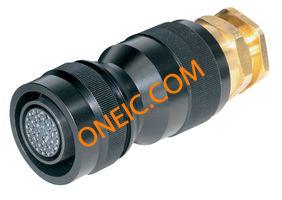
Image Preview