TMS32C6202BGNZA250
Fixed-point digital signal processors for high-speed signal processing
Manufacturer: ti
series introduction
# Introduction to the TMS32C6202BGNZA250 Product Series
## 1. Overview
The TMS32C6202BGNZA250 is a high - performance digital signal processor (DSP) belonging to the TMS32C6202 series. It is designed to meet the demanding requirements of a wide range of applications, from telecommunications and multimedia processing to industrial control and automotive systems. This DSP offers a combination of high - speed processing capabilities, low power consumption, and rich on - chip resources, making it an ideal choice for developers looking to build efficient and reliable systems.
## 2. Key Features
### 2.1 Processing Power
- **High - Speed CPU**: The TMS32C6202BGNZA250 is clocked at 250 MHz, which enables it to execute a large number of instructions per second. It is based on a very long instruction word (VLIW) architecture, allowing it to issue multiple instructions simultaneously. This results in a high - performance computing environment that can handle complex algorithms and real - time processing tasks with ease.
- **Multiply - Accumulate (MAC) Units**: It is equipped with multiple MAC units, which are essential for digital signal processing operations such as filtering, convolution, and matrix multiplication. These units can perform a large number of MAC operations in a single clock cycle, significantly accelerating the processing of digital signals.
### 2.2 Memory Architecture
- **On - Chip Memory**: The device features a substantial amount of on - chip memory, including both program memory and data memory. This on - chip memory reduces the need for external memory access, thereby minimizing latency and improving overall system performance. The memory is organized in a way that allows for efficient data transfer and storage, enabling the DSP to quickly access the data it needs for processing.
- **Memory Interfaces**: It provides various memory interfaces, such as synchronous dynamic random - access memory (SDRAM) and flash memory interfaces. These interfaces allow the DSP to interface with external memory devices, expanding the available memory capacity as required by the application.
### 2.3 Peripheral Interfaces
- **Serial Communication Interfaces**: The TMS32C6202BGNZA250 includes multiple serial communication interfaces, such as serial ports (UARTs), serial peripheral interfaces (SPIs), and inter - integrated circuit (I2C) interfaces. These interfaces enable the DSP to communicate with other devices, such as sensors, actuators, and other microcontrollers, facilitating data exchange and system integration.
- **Parallel Interfaces**: It also offers parallel interfaces, which can be used for high - speed data transfer between the DSP and external devices. These parallel interfaces are useful for applications that require large - volume data transfer, such as image and video processing.
### 2.4 Power Management
- **Low - Power Design**: The DSP is designed with power - saving features in mind. It supports multiple power - saving modes, allowing the device to consume less power during idle or low - activity periods. This is particularly important for battery - powered applications, where power consumption is a critical factor.
- **Dynamic Voltage and Frequency Scaling (DVFS)**: Some versions of the TMS32C6202BGNZA250 may support DVFS, which enables the device to adjust its voltage and frequency according to the processing load. This further optimizes power consumption while maintaining the required performance level.
## 3. Applications
### 3.1 Telecommunications
- **Base Station Signal Processing**: In cellular base stations, the TMS32C6202BGNZA250 can be used for tasks such as channel coding, modulation, and demodulation. Its high - speed processing capabilities and
Images for reference
.jpg)
352-FCBGA
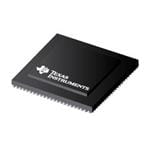
Image Preview