TMS320C6713BZDP300
High-performance 32-bit floating-point digital signal processors in BGA format
Manufacturer: ti
series introduction
# Introduction to the TMS320C6713BZDP300 Product Series
## 1. Overview
The TMS320C6713BZDP300 belongs to Texas Instruments' TMS320C67x family of digital signal processors (DSPs). These processors are designed to meet the high - performance requirements of a wide range of applications, from telecommunications and audio processing to industrial control and medical imaging. The TMS320C6713BZDP300, in particular, offers a unique combination of high - speed processing capabilities, low power consumption, and rich peripheral interfaces, making it an ideal choice for many complex signal processing tasks.
## 2. Key Features
### 2.1 Processing Power
- **High - Speed CPU**: The TMS320C6713BZDP300 is clocked at 300 MHz, which enables it to execute a large number of instructions per second. It is based on a very long instruction word (VLIW) architecture, allowing it to issue multiple instructions simultaneously. This architecture significantly enhances the processing efficiency, enabling the DSP to handle complex algorithms such as Fourier transforms, filtering, and matrix operations in real - time.
- **Floating - Point Unit**: One of the standout features of this DSP is its powerful floating - point unit (FPU). Floating - point arithmetic is crucial for applications that require high precision, such as scientific simulations and audio/video processing. The FPU in the TMS320C6713BZDP300 can perform floating - point operations at high speed, providing accurate results even for complex mathematical computations.
### 2.2 Memory
- **On - Chip Memory**: The device comes with a generous amount of on - chip memory. It includes 32K bytes of on - chip SRAM, which can be used for storing frequently accessed data and code. This on - chip memory reduces the need for external memory access, thereby improving the overall system performance and reducing power consumption.
- **External Memory Interface**: In addition to the on - chip memory, the TMS320C6713BZDP300 features an external memory interface (EMIF). This interface supports various types of external memories, such as SDRAM, Flash memory, and SRAM. It allows the DSP to expand its memory capacity as needed, making it suitable for applications that require large amounts of data storage, such as multimedia processing and data logging.
### 2.3 Peripheral Interfaces
- **UART (Universal Asynchronous Receiver/Transmitter)**: The DSP is equipped with a UART interface, which is commonly used for serial communication. It enables the TMS320C6713BZDP300 to communicate with other devices, such as microcontrollers, sensors, and computers, using the asynchronous serial communication protocol. This interface is useful for applications that require data exchange over long distances or between different types of devices.
- **SPI (Serial Peripheral Interface)**: The SPI interface provides a high - speed, synchronous serial communication method. It allows the DSP to communicate with other SPI - compatible devices, such as external sensors, memory chips, and display controllers. The SPI interface is known for its simplicity and high data transfer rate, making it suitable for applications that require fast data exchange.
- **McBSP (Multi - Channel Buffered Serial Port)**: The McBSP is a powerful serial communication interface designed specifically for digital signal processing applications. It supports multiple channels of data transfer and can be used for audio and video streaming, as well as for communication with other DSPs or codecs. The McBSP interface provides features such as frame synchronization, data buffering, and programmable data formats, making it highly flexible
Images for reference
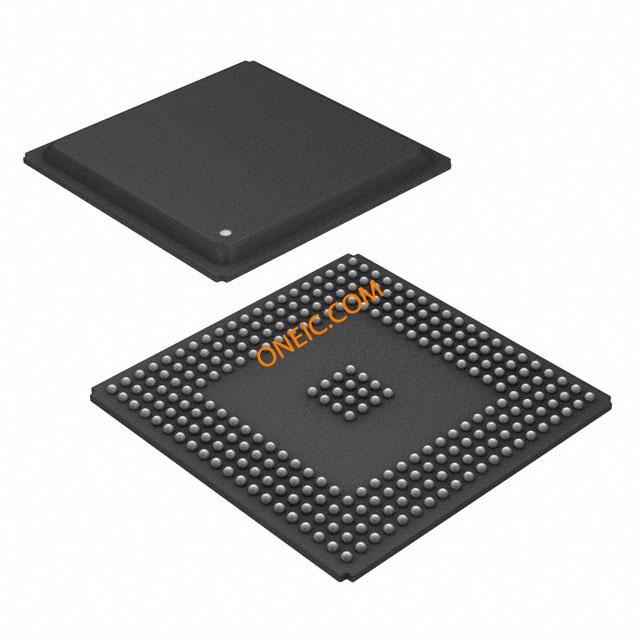
272-BGA Pkg
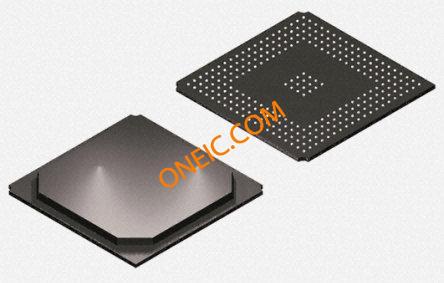
Image Preview
Image Preview