TMS320C6678CYP
High-performance multicore digital signal processors for advanced computing
Manufacturer: ti
series introduction
# Introduction to the TMS320C6678CYP Product Series
## 1. Overview
The TMS320C6678CYP belongs to Texas Instruments' TMS320C66x family of digital signal processors (DSPs). This product series is engineered to meet the high - performance computing requirements of a wide range of applications, from telecommunications and industrial automation to military and aerospace systems. With its advanced architecture and powerful processing capabilities, the TMS320C6678CYP stands out as a reliable and efficient solution for complex signal processing tasks.
## 2. Key Features
### 2.1 Processing Power
- **Multi - Core Architecture**: The TMS320C6678CYP is equipped with eight C66x DSP cores. Each core is based on a very long instruction word (VLIW) architecture, which allows it to execute multiple instructions simultaneously. This multi - core design enables the processor to handle highly parallel workloads, significantly boosting the overall processing performance. For example, in applications such as video analytics, where large amounts of data need to be processed in real - time, the multi - core architecture can divide the workload among the cores, reducing processing time.
- **High Clock Speed**: These cores can operate at high clock speeds, typically up to 1.25 GHz. This high clock frequency, combined with the VLIW architecture, enables the processor to achieve a peak performance of up to 40 GFLOPS (giga floating - point operations per second) per core, resulting in a total peak performance of 320 GFLOPS for the entire device. This makes it suitable for applications that demand intensive floating - point calculations, such as radar signal processing and medical imaging.
### 2.2 Memory System
- **On - Chip Memory**: The TMS320C6678CYP features a large amount of on - chip memory, including L1P (Level 1 Program) and L1D (Level 1 Data) caches for each core, as well as a shared L2 cache. The L1P and L1D caches provide fast access to program instructions and data, reducing the memory access latency. The shared L2 cache, with a capacity of up to 4 MB, allows the cores to share data efficiently, enhancing the overall system performance.
- **External Memory Interface**: It also supports a variety of external memory interfaces, such as DDR3 SDRAM. This allows the processor to access large amounts of off - chip memory, which is essential for applications that require extensive data storage, such as big data analytics and high - definition video processing.
### 2.3 Peripherals and Interfaces
- **High - Speed Serial Interfaces**: The TMS320C6678CYP is equipped with high - speed serial interfaces, including Serial RapidIO (SRIO), Gigabit Ethernet, and USB 2.0. These interfaces enable the processor to communicate with other devices quickly and efficiently, making it suitable for use in network - centric applications. For example, in a telecommunications base station, the SRIO interface can be used to connect the DSP to other processing elements, while the Gigabit Ethernet interface can be used for data transfer to the network.
- **Other Peripherals**: It also includes a range of other peripherals, such as UART, SPI, and I2C interfaces. These interfaces provide flexibility for connecting to a variety of external devices, such as sensors, actuators, and displays, making the TMS320C6678CYP suitable for use in industrial control and automation systems.
### 2.4 Power Efficiency
- **Low - Power Design**: Texas Instruments has implemented advanced power management techniques in the T
Images for reference

841-BFBGA, FCBGA Series
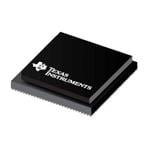
Image Preview

Image Preview