SN65LBC179AD
Low-power RS-485 differential line driver/receiver ICs in 8-pin SOIC
Manufacturer: ti
series introduction
# Introduction to the SN65LBC179AD Product Series
## 1. Overview
The SN65LBC179AD is a remarkable product series that belongs to the realm of integrated circuits, specifically designed for high - performance communication applications. This series is engineered to meet the demanding requirements of modern data transmission systems, offering reliable and efficient solutions for various industries.
## 2. Key Features
### 2.1 Differential Signaling
One of the standout features of the SN65LBC179AD series is its support for differential signaling. Differential signaling involves the use of two complementary signals to transmit data. This approach provides excellent noise immunity, as external noise affects both signals equally, and the receiver can easily cancel out the common - mode noise. As a result, the series can maintain high - quality data transmission even in electrically noisy environments, such as industrial settings or automotive applications.
### 2.2 High - Speed Data Transmission
The SN65LBC179AD is capable of high - speed data transfer rates. It can handle data rates that are suitable for a wide range of communication protocols, enabling rapid and efficient exchange of information. This high - speed capability makes it ideal for applications where real - time data transfer is crucial, such as in high - speed local area networks or industrial automation systems.
### 2.3 Low Power Consumption
In today's energy - conscious world, power efficiency is a critical factor. The SN65LBC179AD series is designed with low power consumption in mind. It operates with minimal power requirements, which not only helps in reducing overall energy costs but also extends the battery life in portable or battery - powered devices. This makes it a great choice for applications where power conservation is essential, such as in handheld communication devices or remote sensor nodes.
### 2.4 Wide Supply Voltage Range
The series supports a wide supply voltage range. This flexibility allows it to be used in different power supply configurations, making it adaptable to various system designs. Whether the application requires a low - voltage supply for power - sensitive devices or a higher voltage for more robust operation, the SN65LBC179AD can accommodate these requirements.
### 2.5 ESD Protection
Electrostatic discharge (ESD) can cause significant damage to electronic components. The SN65LBC179AD series is equipped with built - in ESD protection. This protection safeguards the device from sudden electrostatic shocks, ensuring its reliability and longevity. It can withstand a certain level of ESD events without suffering permanent damage, which is especially important in environments where ESD is a common concern, such as in manufacturing facilities or during handling and assembly processes.
## 3. Applications
### 3.1 Industrial Automation
In industrial automation systems, reliable communication between different components is essential for smooth operation. The SN65LBC179AD series can be used to connect sensors, actuators, and control units. Its noise immunity and high - speed data transmission capabilities ensure that data can be accurately and quickly exchanged between these devices, enabling precise control and monitoring of industrial processes.
### 3.2 Automotive Electronics
The automotive industry has strict requirements for electronic components in terms of reliability, noise immunity, and power consumption. The SN65LBC179AD series can be used in automotive communication networks, such as in - vehicle infotainment systems, engine control units, and sensor networks. Its ability to operate in harsh electrical environments and low power consumption make it a suitable choice for automotive applications.
### 3.3 Telecommunications
In telecommunications infrastructure, high - speed and reliable data transmission is of utmost importance. The SN65LBC179AD series can be used in communication equipment such as routers, switches, and modems. Its high - speed data transfer rates and differential signaling capabilities help
Images for reference
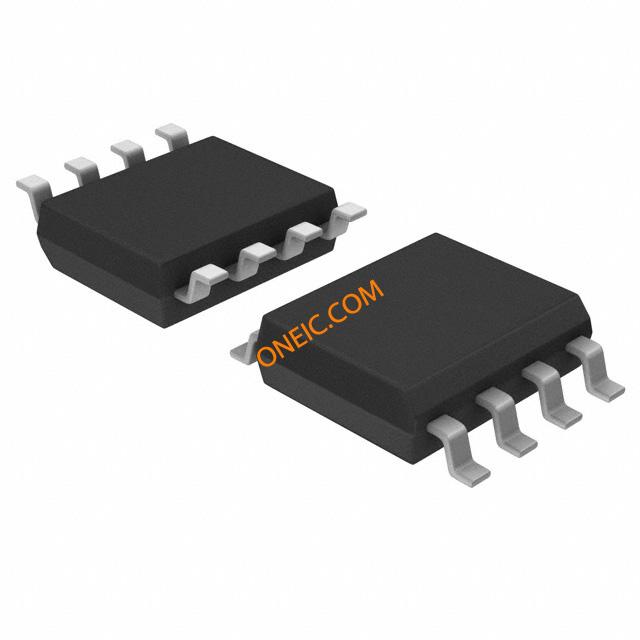
8-SOIC

Image Preview

Image Preview