LPC1227
32-bit ARM Cortex M0 microcontrollers with 128KB Flash, 8KB RAM, 45MHz, LQFP packages
Manufacturer: nxp
series introduction
# Introduction to the LPC1227 Product Series
## 1. Overview
The LPC1227 is a remarkable product series within the microcontroller domain, developed by NXP Semiconductors. These microcontrollers are part of the ARM Cortex - M0+ based family, offering a blend of high - performance, low - power consumption, and rich functionality. They are designed to meet the diverse requirements of a wide range of embedded applications, from simple consumer electronics to more complex industrial control systems.
## 2. Key Features
### 2.1 Processor Core
- **ARM Cortex - M0+ Architecture**: The LPC1227 is powered by the ARM Cortex - M0+ processor core. This core is known for its excellent energy efficiency and high - speed processing capabilities. It provides a 32 - bit instruction set, enabling faster data processing compared to traditional 8 - bit or 16 - bit microcontrollers. The Cortex - M0+ also has a small footprint, which helps in reducing the overall system cost and board space.
- **High Clock Speed**: It can operate at a maximum clock speed of up to 48 MHz. This high clock speed allows for quick execution of instructions, making it suitable for applications that require real - time processing, such as motor control and sensor data acquisition.
### 2.2 Memory
- **Flash Memory**: The LPC1227 comes with up to 32 KB of on - chip flash memory. Flash memory is non - volatile, which means it retains data even when the power is turned off. This is ideal for storing the program code of the microcontroller, allowing for easy reprogramming and updates.
- **SRAM**: There is up to 8 KB of on - chip static random - access memory (SRAM). SRAM provides fast access to data, which is crucial for storing variables and intermediate results during program execution. It helps in improving the overall performance of the microcontroller by reducing the time taken to access data.
### 2.3 Peripherals
- **UART (Universal Asynchronous Receiver - Transmitter)**: The LPC1227 is equipped with multiple UART interfaces. UART is a widely used serial communication protocol that allows the microcontroller to communicate with other devices, such as sensors, displays, and computers. It supports various baud rates, making it compatible with a wide range of external devices.
- **SPI (Serial Peripheral Interface)**: The SPI interface provides a high - speed serial communication option. It is commonly used for communicating with external devices like flash memories, ADCs (Analog - to - Digital Converters), and DACs (Digital - to - Analog Converters). The SPI interface supports full - duplex communication, enabling simultaneous data transmission and reception.
- **I2C (Inter - Integrated Circuit)**: The I2C interface is a multi - master, multi - slave serial communication protocol. It is used for connecting low - speed devices, such as sensors and EEPROMs, to the microcontroller. The I2C interface requires only two wires (SDA and SCL), which helps in reducing the number of pins used on the microcontroller and simplifies the circuit design.
- **ADC (Analog - to - Digital Converter)**: The LPC1227 features an on - chip ADC with up to 10 - bit resolution. The ADC can convert analog signals from sensors, such as temperature sensors and light sensors, into digital values that can be processed by the microcontroller. This allows the microcontroller to interface with the analog world and perform tasks such as environmental monitoring and control.
### 2.4 Low - Power Modes
- **Multiple Low - Power Modes**: The LPC1227 offers several low - power modes
Images for reference
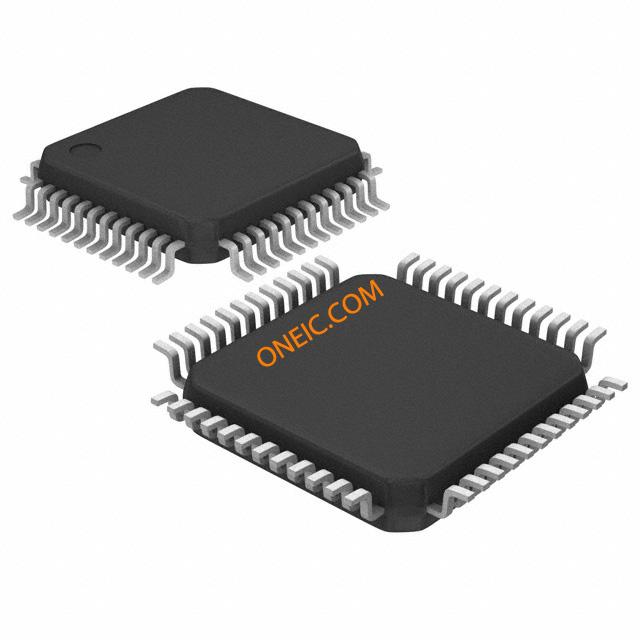
48-LQFP
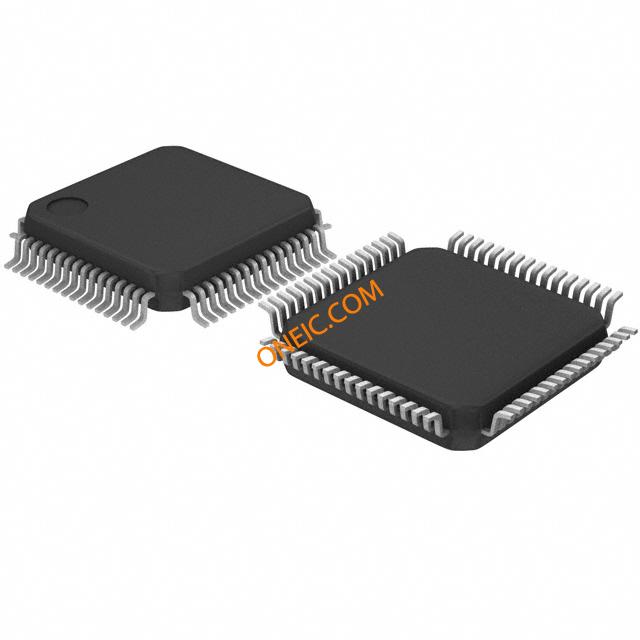
64-LQFP
Image Preview