LPC1110
32-bit ARM Cortex M0 microcontrollers with 4KB flash memory
Manufacturer: nxp
series introduction
# Introduction to the LPC1110 Product Series
## 1. Overview
The LPC1110 product series is a range of microcontrollers developed by NXP Semiconductors. These microcontrollers are part of the ARM Cortex - M0 architecture, which is known for its low power consumption, high performance, and ease of use. The LPC1110 series is designed to meet the requirements of a wide variety of embedded applications, offering a balance between cost - effectiveness and functionality.
## 2. Key Features
### 2.1 Processor Core
- **ARM Cortex - M0**: The LPC1110 series is based on the ARM Cortex - M0 processor core. This core provides a high - performance 32 - bit processing solution with a reduced instruction set architecture (RISC). It offers excellent code density, which means that more functionality can be packed into a smaller amount of memory. The Cortex - M0 core also has a low gate count, resulting in lower power consumption and a smaller die size.
- **High - Speed Operation**: The microcontrollers in the LPC1110 series can operate at clock speeds up to 50 MHz, enabling them to handle complex tasks quickly and efficiently.
### 2.2 Memory
- **Flash Memory**: The LPC1110 devices come with on - chip flash memory ranging from 8 KB to 32 KB. Flash memory is non - volatile, which means that the program code stored in it is retained even when the power is turned off. This makes it ideal for storing the application code that the microcontroller needs to execute.
- **SRAM**: They also feature on - chip static random - access memory (SRAM) with capacities from 4 KB to 8 KB. SRAM is used for storing data during the execution of the program, such as variables, buffers, and stack space.
### 2.3 Peripherals
#### 2.3.1 General - Purpose Input/Output (GPIO)
- The LPC1110 series offers a significant number of GPIO pins. These pins can be configured as either inputs or outputs, allowing the microcontroller to interface with external devices such as sensors, actuators, and switches. The GPIO pins can also be used for bit - banging communication protocols or for simple control tasks.
#### 2.3.2 Serial Communication Interfaces
- **UART**: Universal Asynchronous Receiver - Transmitter (UART) is a common serial communication interface available on the LPC1110 microcontrollers. It is used for asynchronous data transfer between the microcontroller and other devices, such as computers, sensors, or displays. UART communication is widely used in applications like data logging, remote monitoring, and industrial control.
- **SPI**: Serial Peripheral Interface (SPI) is a synchronous serial communication protocol that allows for high - speed data transfer between the microcontroller and other SPI - compatible devices. It is commonly used for communicating with external memory chips, sensors, and display drivers.
- **I²C**: Inter - Integrated Circuit (I²C) is a multi - master, multi - slave serial communication protocol. It is used for connecting low - speed devices such as EEPROMs, sensors, and real - time clocks to the microcontroller. The I²C interface is known for its simplicity and the ability to connect multiple devices on the same bus.
#### 2.3.3 Timer/Counter Modules
- The LPC1110 series includes timer/counter modules that can be used for a variety of purposes. These modules can be used for generating accurate time delays, measuring time intervals, and generating pulse - width modulation (PWM) signals. PWM signals are commonly used for controlling the speed of motors, dimming LEDs, and other
Images for reference
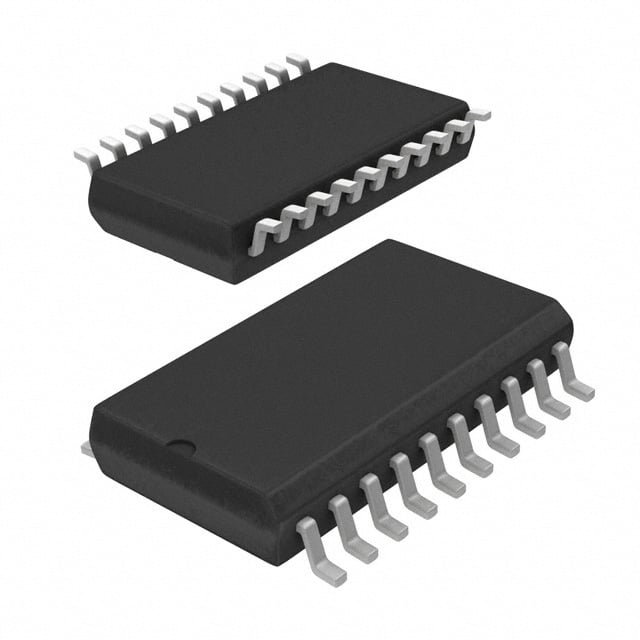
20-SOIC 0.295
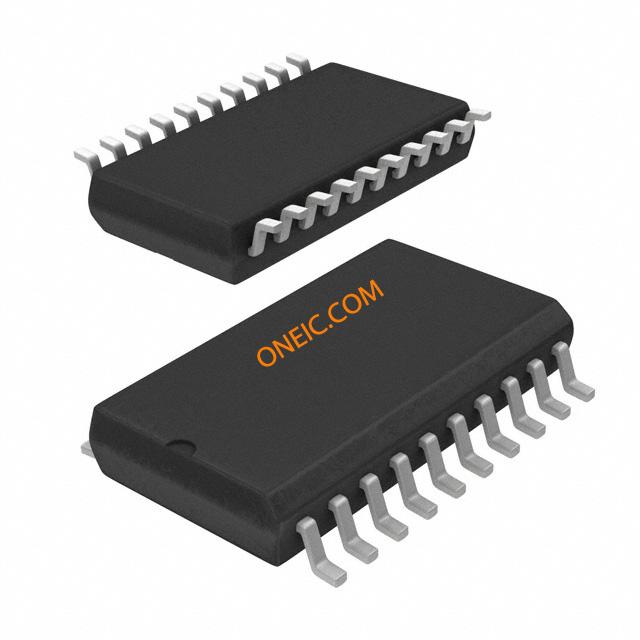
20-SOIC 0.295
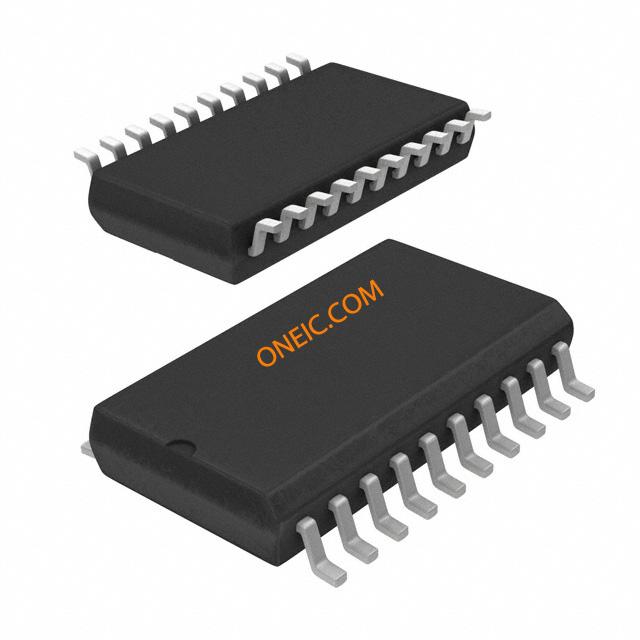
20-SOIC