LM393N/NOPB
Low-power dual voltage comparators in 8-pin DIP packages
Manufacturer: ['national-semiconductor', 'rochester', 'ti']
series introduction
# Introduction to the LM393N/NOPB Product Series
## 1. Overview
The LM393N/NOPB is a widely - used and highly reliable product series of dual differential comparators. These comparators are designed to provide a cost - effective solution for a variety of applications where precise voltage comparison is required. They are part of the industry - standard LM393 family, known for their excellent performance, low power consumption, and wide operating voltage range.
## 2. Key Features
### 2.1. Dual Comparator Design
The LM393N/NOPB contains two independent voltage comparators within a single package. This dual - comparator configuration allows designers to perform multiple comparison tasks in a compact space, reducing the need for additional components and board space. It is particularly useful in applications where multiple signals need to be compared simultaneously, such as in multi - channel sensor interfaces or complex control systems.
### 2.2. Wide Supply Voltage Range
These comparators can operate over a wide range of supply voltages, typically from 2 V to 36 V. This wide voltage range provides flexibility in different power supply scenarios, making the LM393N/NOPB suitable for both battery - powered and line - powered applications. For example, in portable devices, it can work with low - voltage batteries, while in industrial settings, it can handle higher supply voltages.
### 2.3. Low Power Consumption
The LM393N/NOPB is designed with low power consumption in mind. This makes it an ideal choice for battery - operated devices where power efficiency is crucial. The low power operation helps to extend the battery life of the device, reducing the frequency of battery replacements and overall operating costs.
### 2.4. Open - Collector Outputs
The outputs of the LM393N/NOPB are open - collector configurations. This feature allows for easy interfacing with other digital circuits and provides flexibility in terms of output voltage levels. Designers can connect external pull - up resistors to the desired voltage level, enabling the comparators to drive different types of loads, such as LEDs, relays, or other logic gates.
### 2.5. High Input Impedance
The comparators have high input impedance, which means they draw very little current from the input sources. This is beneficial when the input signals are coming from high - impedance sources, such as sensors or weak signal generators. The high input impedance ensures that the input signals are not significantly loaded, preserving the integrity of the input signals and improving the accuracy of the comparison.
## 3. Electrical Specifications
### 3.1. Input Offset Voltage
The input offset voltage of the LM393N/NOPB is typically in the range of a few millivolts. This parameter represents the voltage difference that must be applied between the two input terminals to make the output change state. A low input offset voltage is desirable as it ensures more accurate voltage comparisons, especially when dealing with small input signal differences.
### 3.2. Response Time
The response time of the comparators is relatively fast, allowing them to quickly detect changes in the input voltages and switch the output state accordingly. This fast response time is important in applications where real - time monitoring and control are required, such as in motor control systems or high - speed data acquisition.
### 3.3. Supply Current
The supply current of the LM393N/NOPB is relatively low, typically in the range of a few milliamperes. This low supply current contributes to the overall low power consumption of the device, making it suitable for power - sensitive applications.
## 4. Applications
### 4.1. Voltage Level Detection
One of the most common applications of the LM393N/NOPB is voltage level detection. It
Images for reference
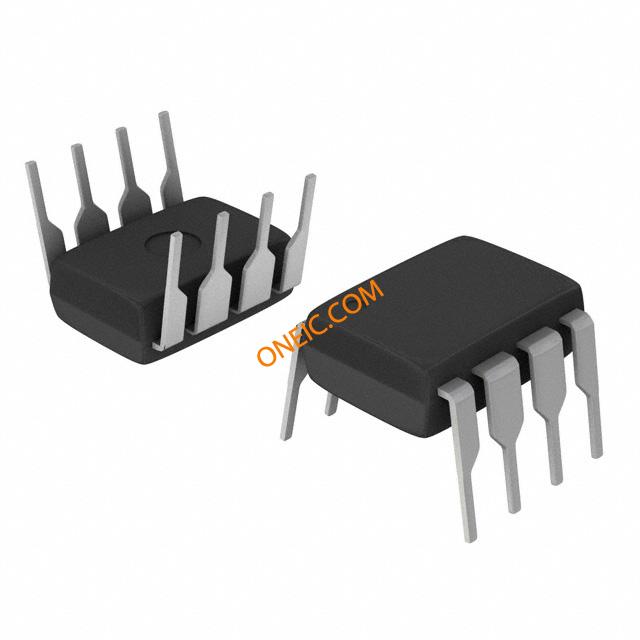
8-DIP
Image Preview
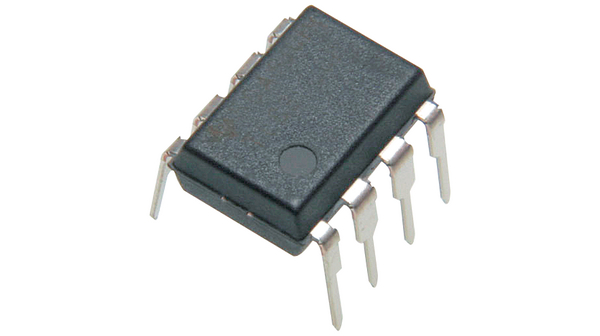
Image Preview