L293DD013TR
Multi-channel motor driver ICs for brushed DC motors, up to 36V
Manufacturer: stm
series introduction
# Introduction to the L293DD013TR Product Series
## 1. Overview
The L293DD013TR is a highly versatile and widely - used integrated circuit product series that belongs to the family of motor driver ICs. These ICs are specifically designed to provide a convenient and efficient solution for driving various types of motors, making them an essential component in many electronic systems where motor control is required.
## 2. Key Features
### 2.1 High - Current Capability
One of the most prominent features of the L293DD013TR series is its ability to handle relatively high currents. It can typically drive motors with currents up to a certain specified limit (which may vary depending on the specific model within the series). This high - current handling capacity allows it to power a wide range of motors, from small DC motors used in toys and hobby projects to larger motors in industrial automation and robotics applications.
### 2.2 Dual - H - Bridge Configuration
The L293DD013TR is configured with dual H - bridges. An H - bridge is a circuit that enables bidirectional control of a DC motor. With two H - bridges integrated into a single chip, the L293DD013TR can independently control two separate DC motors. This feature is extremely useful in applications such as differential drive robots, where two motors are used to control the movement of the robot in different directions.
### 2.3 Built - in Protection
To ensure the reliability and longevity of both the IC and the connected motors, the L293DD013TR series comes with built - in protection mechanisms. These may include over - current protection, which safeguards the IC from damage in case the motor draws excessive current due to a short - circuit or mechanical overload. Additionally, thermal protection is often incorporated to prevent the IC from overheating, which could otherwise lead to performance degradation or permanent damage.
### 2.4 Logic - Level Compatibility
The input pins of the L293DD013TR are designed to be compatible with standard logic levels. This means that it can be easily interfaced with microcontrollers, such as Arduino or Raspberry Pi, without the need for additional level - shifting circuitry. This simplifies the design process and makes it accessible for hobbyists and professional engineers alike.
## 3. Electrical Specifications
### 3.1 Supply Voltage
The L293DD013TR typically operates within a specific supply voltage range. The power supply voltage for the motor driver section (Vss) can usually range from a few volts up to a relatively high value, depending on the model. For example, it may support a Vss range of 4.5V - 36V, which allows it to be used with different types of power sources and motors. The logic supply voltage (Vcc) is often in the range of 4.5V - 7V, which is compatible with the output voltage levels of most microcontrollers.
### 3.2 Output Current
As mentioned earlier, the output current capacity of the L293DD013TR is an important specification. Each H - bridge can typically deliver a continuous output current of up to a certain value, say 1A or more. The peak current handling capacity may be even higher for short durations, which is useful for starting motors that require a higher initial current.
### 3.3 Input Logic Levels
The input logic levels for the control pins of the L293DD013TR follow standard TTL or CMOS logic levels. A logic high (usually around 5V) and a logic low (close to 0V) are used to control the direction and operation of the motors. This makes it straightforward to program the microcontroller to send the appropriate control
Images for reference
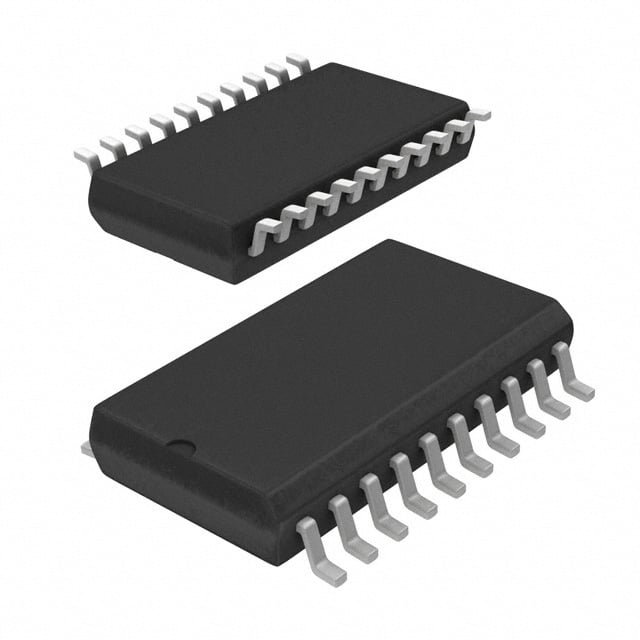
20-SOIC 0.295
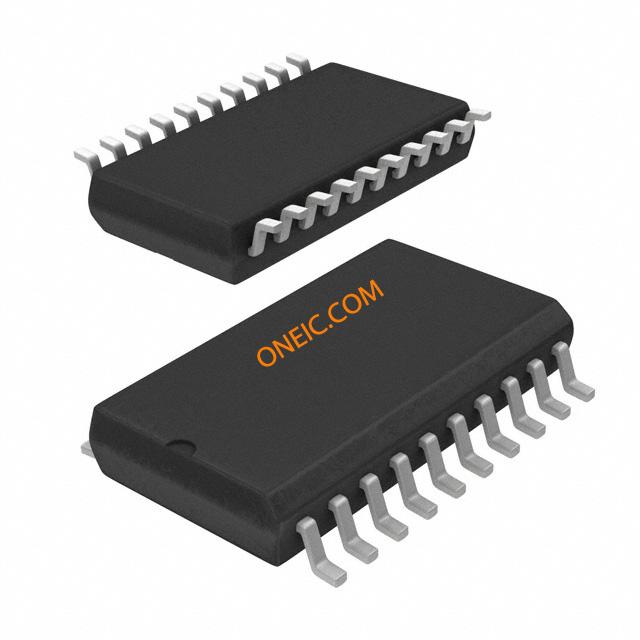
20-SOIC 0.295