1N6148A
TVS diodes for various applications and form factors
Manufacturer: ['microsemi', 'semtech']
series introduction
The 1N6148A Series is a highly regarded line of silicon rectifier diodes characterized by their robust performance and versatility in various electronic applications. Designed to handle high current and voltage ratings, these diodes are ideal for use in power supply circuits, battery chargers, and other high-power applications. The 1N6148A features a maximum repetitive reverse voltage of 1000 volts and a forward current rating of 3 amperes, making it suitable for demanding environments where reliability and durability are critical.
One of the key design characteristics of the 1N6148A Series is its glass passivated junction, which enhances the diode's performance under harsh conditions. This feature not only improves reliability but also allows the diode to withstand high surge currents, making it particularly effective in applications that experience load fluctuations. The diode exhibits fast recovery time, which is essential for high-frequency switching applications, ensuring that it can efficiently handle rapid changes in voltage and current.
The 1N6148A Series is widely utilized in various industrial and consumer applications. Its ability to rectify alternating current (AC) to direct current (DC) makes it a staple in power supply designs, where it provides essential voltage regulation. Additionally, these diodes are commonly found in inverter circuits, motor control systems, and electronic lighting applications. Their robust construction and high thermal stability also make them ideal for automotive applications, where they can be used in battery management systems and alternator circuits.
In summary, the 1N6148A Series stands out for its high voltage and current handling capabilities, fast recovery time, and reliability under challenging conditions. Whether in consumer electronics, industrial machinery, or automotive systems, these diodes provide dependable rectification solutions that contribute to the overall efficiency and performance of electronic circuits.
Images for reference
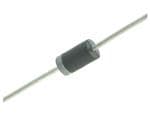
Image Preview
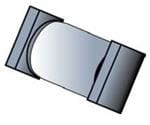
Image Preview

Image Preview